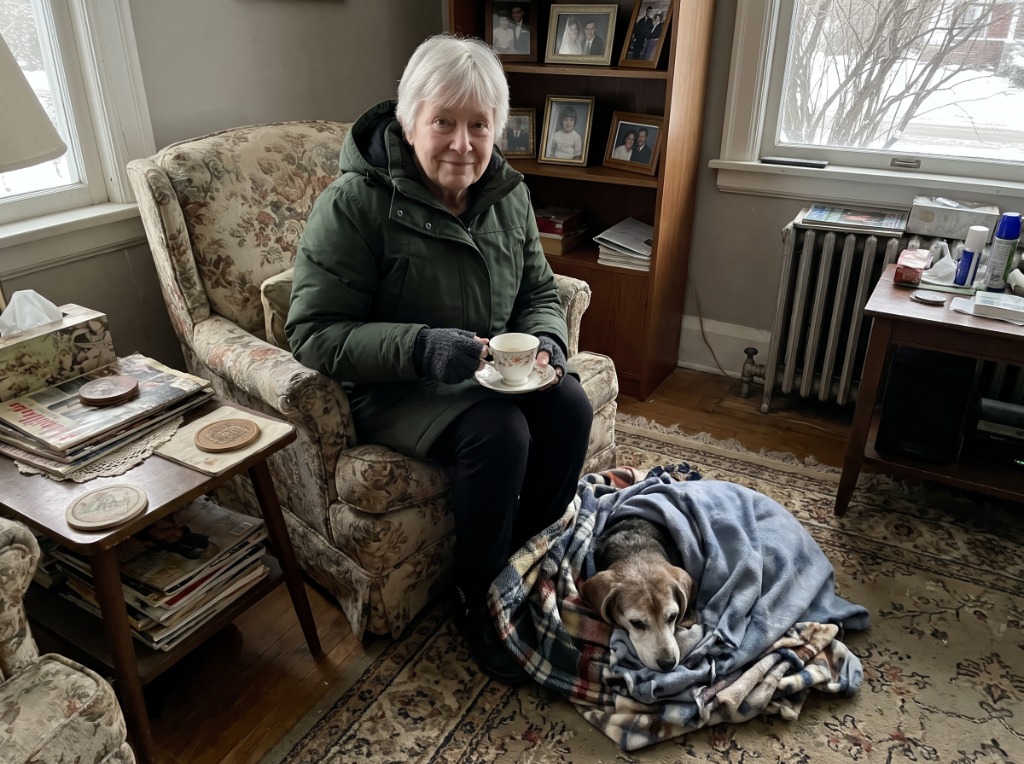
I will never forget that faint, rattling sound for as long as I live—the sound of my mom’s porcelain teacup clattering against its saucer in her hands.
It was mid-January in Northern Ontario, right in the middle of a brutal polar vortex when the outdoor temperature plunged to -32°C. The wind was whipping so fiercely against the siding of her old two-story house that the windowpanes were literally humming in their frames.
That Tuesday, I stopped by her place after work to drop off a bag of groceries. She hadn’t replied to my texts for two days—joking over the phone that the battery on her old smartphone was just acting up. When I unlocked the front door with my spare key and stepped into the hallway, my own breath turned into a thick white cloud of steam.
It felt like walking into a commercial walk-in freezer.
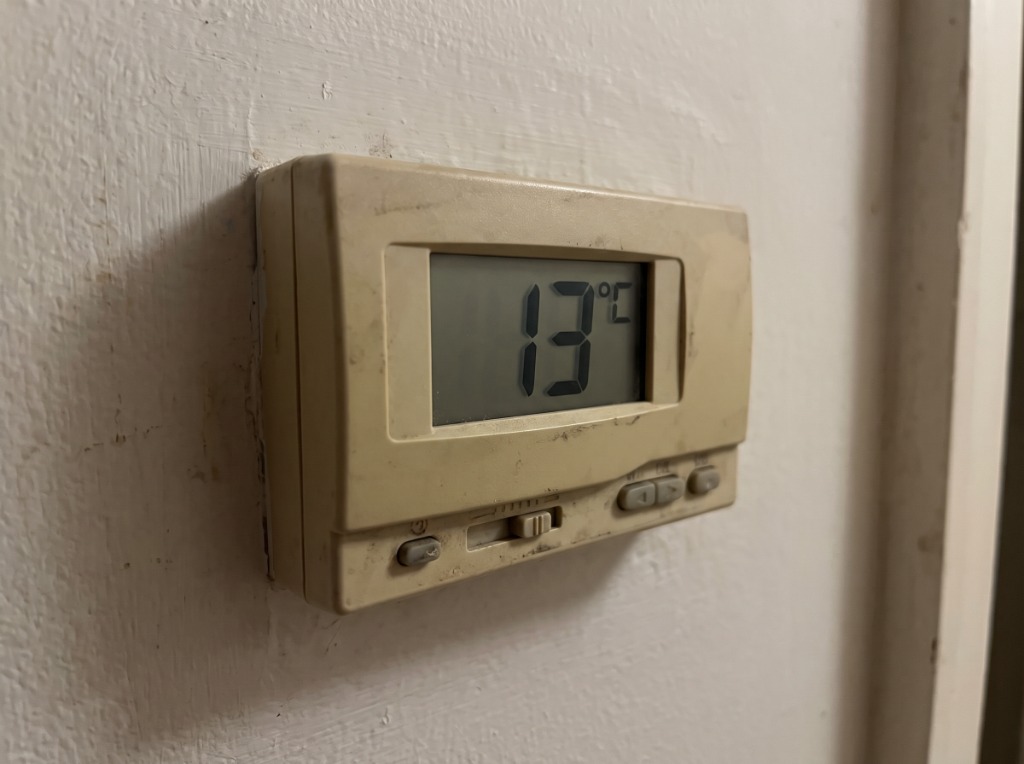
I glanced at the wall thermostat in the hallway. The screen read 13°C.
“Mom?!” I called out, feeling my heart drop into my stomach.
I found her in the living room, sitting in her favourite old armchair. At 74 years old, after working forty years as a school secretary, my mom was sitting inside her own home wearing a heavy winter parka, two pairs of wool socks, and knitted fingerless gloves.
At her feet, curled into a tight ball beneath three fleece blankets, was her 12-year-old rescue beagle, Barnaby. His thin, aging body trembled visibly every few seconds.
When my mom looked up at me, she tried to smile—that proud, stubborn smile parents give us when they desperately don’t want us to worry about them. And then I looked at her hands. Her knuckles, already swollen from age-related arthritis, were stiff and pale from the biting chill. She couldn’t even hold her mug of lukewarm tea steady.
Right then and there, I broke down crying in the middle of her living room rug.
The Hidden Bill Behind the Toaster
“Mom, what are you doing?! Turn the furnace on right now!” I pleaded, rushing back toward the hallway thermostat.
“No, Sarah, please don’t touch it,” she said quietly, her voice wavering. “I’m fine. Really. Once you put a coat on, you barely notice the cold.”
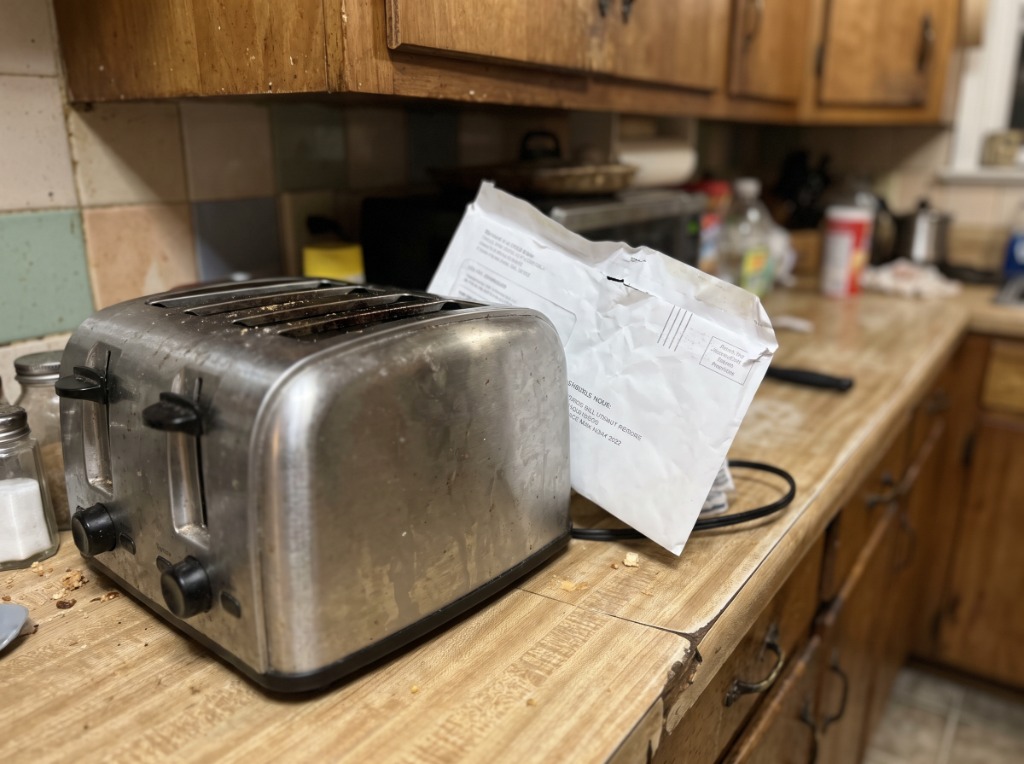
When I walked into the kitchen to put a fresh kettle on for her, I discovered the real reason. Tucked behind the toaster was a crumpled, torn envelope from the utility company. Last month’s heating and electricity statement (her Hydro bill) was $468.40.
She lives all alone on a fixed Canadian government pension (CPP) in a drafty forty-year-old house—and at some point, the math simply stopped working. Forced to choose between skyrocketing grocery prices at the supermarket, her blood pressure medication, and the cost of heating an entire two-story house just for one person and an old dog, she quietly made a heartbreaking choice: she chose to freeze in silence rather than ask me for money or feel like a financial burden on my family.
That night, I turned her furnace all the way up, stayed over at her house, and promised myself I wouldn’t let her live like that for even one more day.
Why Traditional Heaters Were Out of the Question
My first instinct was to offer to pay her winter utility bills myself. But anyone with stubborn, old-school Canadian parents knows exactly how that went—she flatly refused and threatened to mail the cash right back to me.
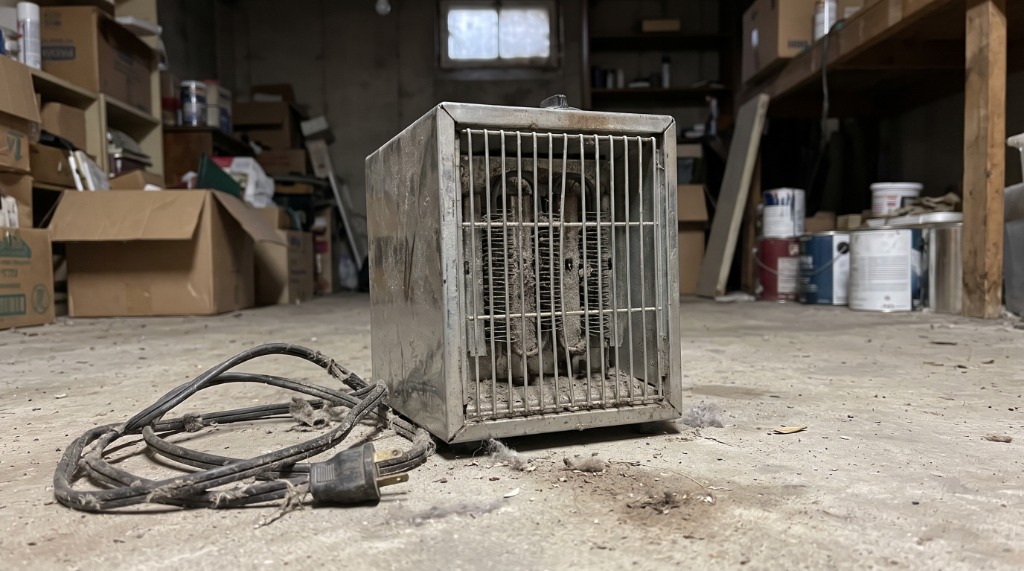
So I went down to the basement to check on her old rusty space heater. It was a terrifying relic from the 1990s: exposed red-hot coils, a scorching metal grate, the smell of burnt dust, and a thick cord that got hot at the wall outlet. With half-blind Barnaby wandering around and my mom occasionally forgetting to turn appliances off, leaving that thing running in her living room was practically asking for a house fire.
The next morning at work, I vented about the situation to a coworker, and he said something that completely changed the way I thought about getting through the winter:
“Look, why is she paying to heat three empty bedrooms upstairs, a basement, and a dining room she only uses once a year at Christmas? She doesn’t need to heat the whole house—she needs a safe, modern ceramic unit that warms the exact room she’s sitting in right now.”
He pulled out his phone and showed me the device he had bought a month earlier for his own elderly parents in Winnipeg—the Heatoor Portable Heater.
The Day Everything Changed
I ordered two Heatoor Portable Heaters that very same day. When the courier delivered the box a few days later, I’ll admit I was skeptical at first—it looked so compact and lightweight compared to the bulky iron monsters I remembered from childhood.
I drove it over to my mom’s house, placed it on the wooden side table right next to her armchair, and plugged it into a standard wall outlet.
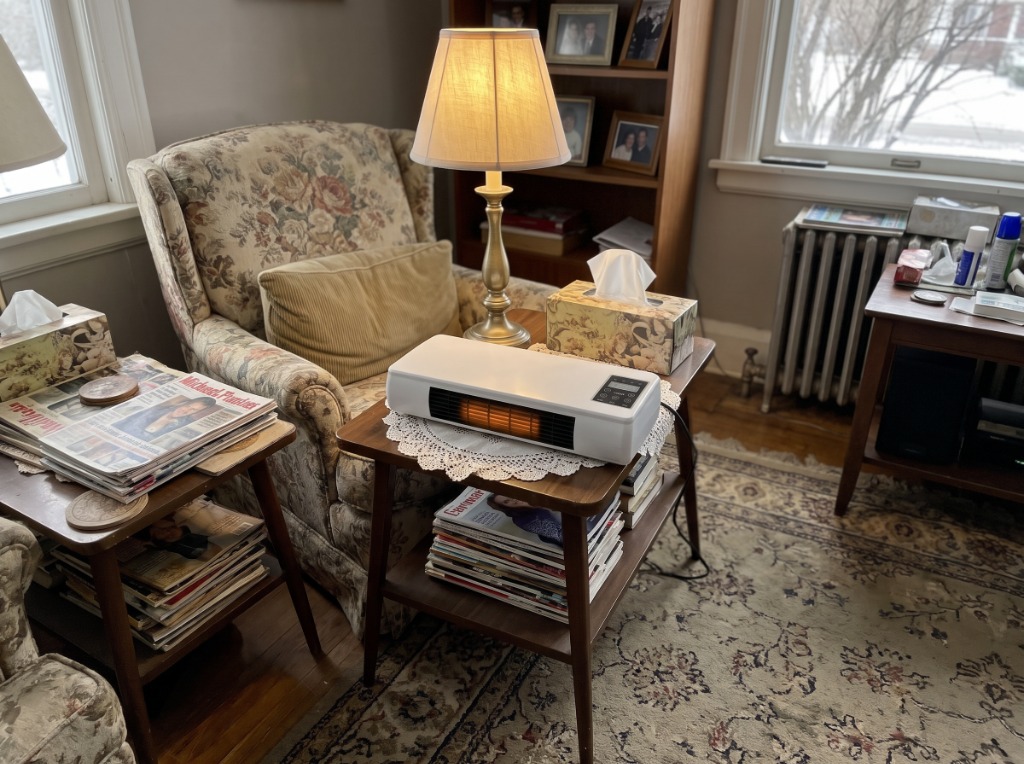
Here is what happened within the very first ten minutes:
Unlike her central furnace—which took forty minutes of blowing chilly air through dusty ducts before the house felt even slightly warmer—Heatoor uses modern PTC ceramic elements. Within seconds of pressing the button, it delivered a steady, comforting stream of warm air straight into her living room corner.
This lifted the biggest weight off my shoulders. The outer casing doesn’t get scalding hot, and inside there is automatic overheat protection plus a tip-over sensor. If Barnaby accidentally bumps it with his tail or knocks it over, the heater shuts itself off in that exact split second.
My mom loves watching evening TV shows and reading in silence. Heatoor runs so quietly that you forget it’s even there—no metallic cracking or fan rattling.
Instead of forcing an old furnace to heat 170 square metres of empty rooms 24/7, my mom leaves the main house thermostat at a safe baseline minimum and switches Heatoor on only in the room where she is sitting.
Watching Her Smile Again
About twenty minutes after I switched on the Heatoor, I walked back into the living room carrying two mugs of hot cocoa.
For the first time in weeks, my mom had taken off her winter parka. Her knitted fingerless gloves were resting on the coffee table. Her hands had finally warmed up, the stiffness in her fingers had eased, and she was calmly turning the pages of her novel.
And Barnaby? He had crawled out from under his mountain of blankets all on his own and stretched out full-length right in front of the warm airflow, snoring softly and without a single shiver.
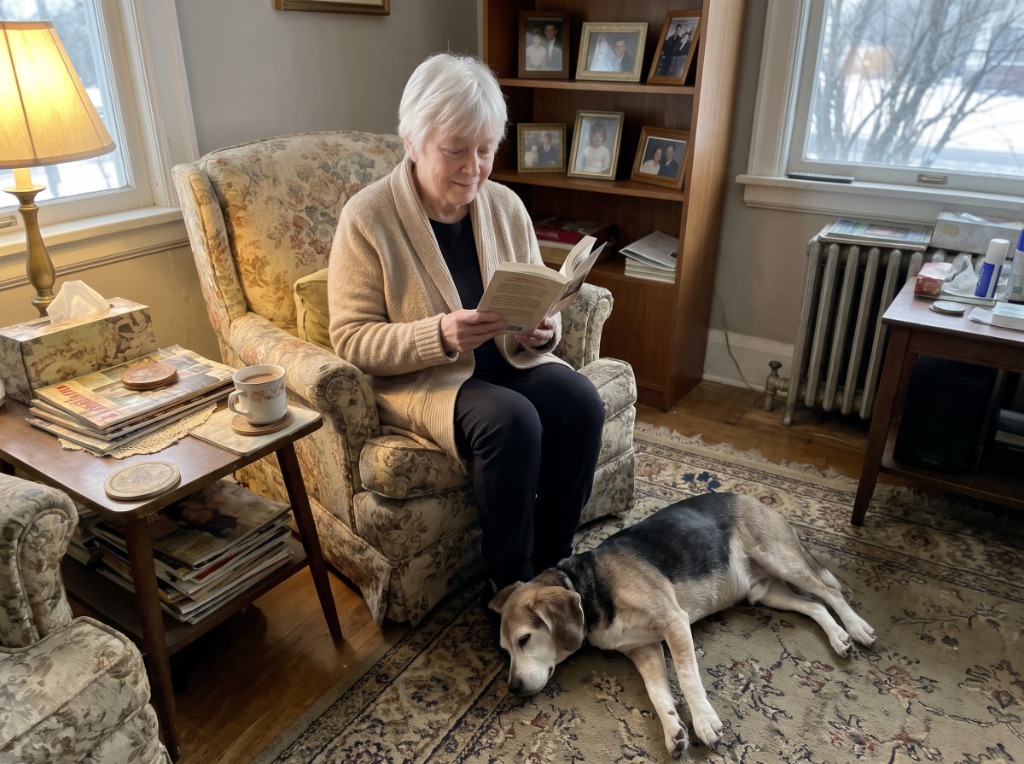
Seeing the relief on my mom’s face—and knowing she no longer had to choose between buying proper groceries and staying warm in her own bed—was worth more than any money in the world. And because the unit weighs so little, in the evening she easily picks it up with one hand and carries it from the living room to her bedroom nightstand.
Don’t Wait Until the Next Deep Freeze
Canadian winters aren’t getting any milder, and utility rates certainly aren’t going down. Whether you live in a drafty older home, work from a cold basement home office, or worry about elderly parents who are too proud to admit they’re rationing their heat—nobody should have to shiver under their own roof.
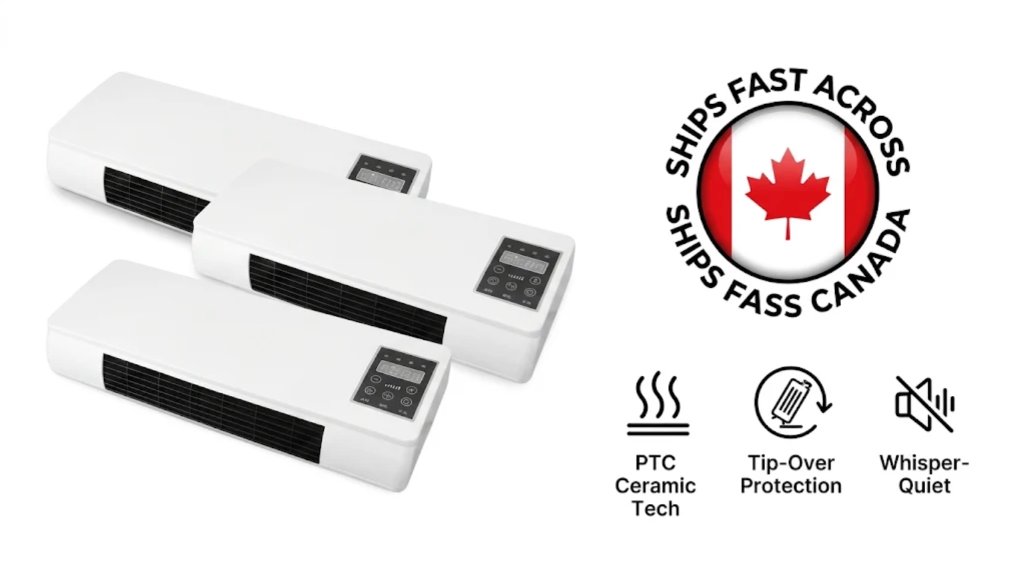
Right now, the official supplier is offering a special seasonal discount on the Heatoor Portable Heater, including discounted multi-unit bundles for families who want to place one unit in the living room and a second one in the bedroom.
Check stock availability via the link below before the next Arctic front arrives in your province.
Reader Responses Across Canada (3)
This brought tears to my eyes because my 78-year-old dad in Thunder Bay was doing the exact same thing—wearing his lined vest indoors to keep the Hydro bill down. We ordered him the 2-unit bundle last month and his living room is finally comfortable again.
Zone heating is the only sensible way to survive January in Manitoba if you live in an older 2-story house. Why pay nearly $500/month to heat guest rooms nobody goes into? The tip-over shutoff gives us huge peace of mind around our dog.
Ordered two for my mom and myself. It really is whisper-quiet compared to those terrifying orange-coil metal boxes from the 90s.